

『Harris Argon Flow Meter Calibration: Eliminating Gas Waste and Pinpoint Leaks in Welding Lines』Related information(clamp on meter|electromagnetic meter|venturi meterrotameter|orifice meter|ultrasonic flow meter|mass flow meter|coriolis mass flow meter|coriolis flow meter|magnetic flow meter|magmeter flow meter|magflow flow meter|mag meter flow meter|electromagnetic flow meter|vortex flow meter|turbine flow meter|thermal mass flow meter|thermal flow meter|rotameter flow meter)
Harris Argon Flow Meter Calibration: Eliminating Gas Waste and Pinpoint Leaks in Welding Lines
Quick Answer: Argon flow meter calibration should be checked every 3 to 6 months on daily welding lines. A 5 to 8 percent drift can waste 2 to 4 argon cylinders per month per station. Use a Silver Instruments thermal mass flow meter to verify flow and find leaks fast.
In welding lines, argon is a cost item and a quality control parameter. MIG and TIG welds fail when shield gas runs too low or too high. A Harris argon flow meter often sits at the regulator. Most operators trust the ball float or dial reading. That reading can drift after vibration, dirt, or back pressure changes.
We have seen this on customer sites many times. A welding supervisor in Malaysia checked six stations last year. Four had flow errors above 12 percent. The worst station delivered 14 L/min while the display showed 18 L/min. Weld quality was unstable and the gas bill was high. No one noticed because the meters were never checked after installation.
Why Argon Flow Calibration Slips in Welding Lines
Mechanical argon flow meters are simple but sensitive. Dirt from old hoses, oil residue from compressors, and moisture in the gas line can affect the float or needle. Calibration at 20 °C may not hold when the cylinder room reaches 40 °C in Southeast Asia or the Middle East. Back pressure from a blocked torch tip also changes true flow. The regulator may show a steady number while the actual flow at the nozzle is lower.
Most engineers skip this part. They assume a new Harris flow meter is accurate out of the box. Shipping vibration and long storage can shift the zero point. Some flow meters use a plastic tube with a printed scale. That scale can rotate inside the housing. A 2 mm movement can cause a 10 percent reading error.
In a busy welding shop, that error means real waste. A single TIG station at 15 L/min for 8 hours uses about 7.2 cubic meters of argon per day. If the meter over-reads by 10 percent, the operator may set flow too low and cause porosity. Or he may set flow too high and waste argon. Either way, the cost shows up in the monthly gas invoice.
Common Signs of a Miscalibrated Argon Flow Meter
A weld defect is the most common sign. Porosity, grey welds, or excessive spatter often point to wrong shield gas flow. If the flow meter reads 15 L/min but the weld looks starved, do not trust the meter. Verify it with a reference flow meter.
Another sign is gas consumption that does not match production hours. A job shop in Indonesia compared two identical welding lines. Line A used 3.2 argon cylinders per week. Line B used 4.8 cylinders per week for the same work. The cause was a miscalibrated flow meter and a small leak after the flow meter.
Leaks in argon lines are often overlooked. The leak may only open under pressure. Soapy water tests find large leaks but miss pinhole leaks in old hose or cracked O-rings. A handheld thermal mass flow meter can compare flow at the nozzle and at the regulator. A difference above 5 percent usually means a leak or calibration drift.
How to Pinpoint Leaks in Argon Lines
To pinpoint leaks you first need a stable reference flow meter. Silver Instruments thermal mass flow meters measure argon directly. They are not affected by temperature and pressure changes as much as mechanical rotameters. They are suitable for calibration checks on welding gas lines.
Start at the regulator. Record the Harris flow meter reading. Then move to the torch end. Connect the reference meter in line or at the nozzle. Compare the two values. A 5 percent difference is a warning. A 10 percent difference calls for maintenance.
A common leak point is the quick connector. Another is the solenoid valve block on automated welding machines. In one case in the Philippines, a customer found a leak inside a gas mixing panel. The leak only appeared above 3 bar. Soapy water did not show it. A reference thermal mass flow meter caught the difference in 4 minutes.
For argon lines feeding multiple stations, measure each branch separately. Shut off one station at a ti
Silver Instruments Gas Flow Meter Options for Argon Verification
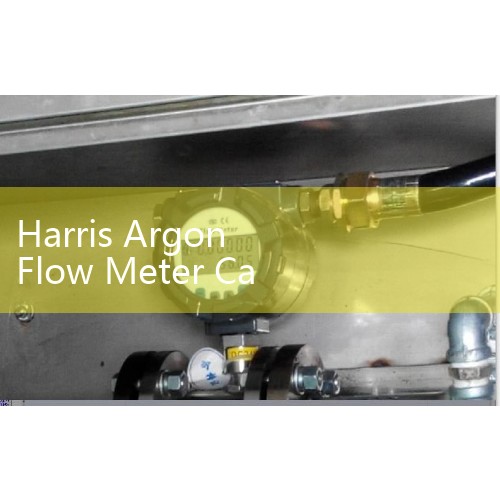
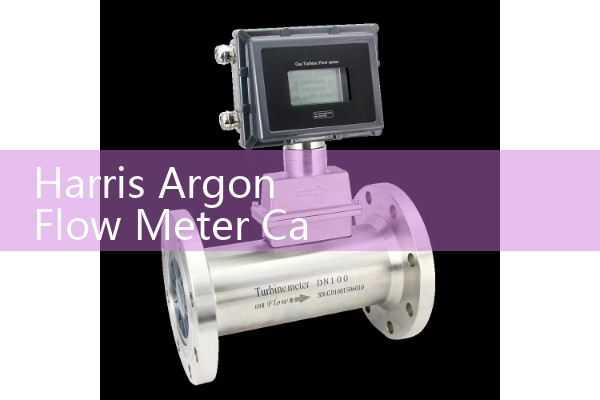
Silver Instruments supplies thermal mass flow meters for gas lines from DN6 to DN50. These meters give direct mass flow in L/min or kg/h. They output 4-20 mA HART and can be portable calibration references or fixed monitors. For argon service, wetted parts are stainless steel 316L. The sensor suits pressures up to 16 bar and temperatures from -20 °C to 60 °C.
We recommend the inline thermal mass flow meter for argon calibration. It is compact. It works from 0.5 L/min to 100 L/min. A display shows actual flow and total. Use it to check the Harris argon flow meter on each welding line once per month. The meter stores 30 days of data. That data helps prove gas savings to management.
For larger pipe sizes or main argon headers, a Coriolis mass flow meter can be used. The Silver Instruments Coriolis meter measures gas mass flow directly and is not sensitive to gas composition changes. It is a good choice for mixed gas lines or billing grade accuracy. For most welding lines, the thermal mass flow meter is lower cost and easier to install.
A Real Calibration Check from a Vietnam Shipyard
Last year a customer in Vietnam asked us about a Harris argon flow meter reading 20 L/min on a TIG station. The welder complained about grey welds. The gas bill was up 18 percent over three months. We sent a Silver Instruments thermal mass flow meter with a digital totalizer. The reference meter showed 14.6 L/min at the torch. That is a 27 percent over-read. The actual leak was a cracked hose fitting behind the cable track. After replacing the fitting and recalibrating the regulator meter, weld color returned to normal. The customer saved about 9 argon cylinders per month on that one station.
You do not need to send every Harris flow meter back to a lab. Calibrate the mechanical device against a trusted portable or inline meter. Then fix the leaks. The gas savings usually pay for the reference meter in a few weeks.
Contact and Next Steps
If you run a welding line and suspect argon gas waste, send us your pipe size (DN6, DN10, DN15, or larger), argon pressure in bar, temperature in °C, and flow range in L/min. We will recommend a Silver Instruments thermal mass flow meter or Coriolis mass flow meter for your calibration checks.
You can reach Silver Automation Instruments at Tel: +86-25-68650347, Whatsapp: +86-25-52155837, WeChat: +86 15365082610. Tell us where the welding line is located and how many stations you run. We ship to Southeast Asia, the Middle East, Latin America, Africa, and Australia.
FAQ
How often should I calibrate a Harris argon flow meter?
For daily welding lines, check calibration every 3 months. For lines with high vibration or dirty gas, check once a month. For standby or low-use lines, check every 6 months.
Can I use a thermal mass flow meter to calibrate a mechanical argon flow meter?
Yes. A thermal mass flow meter gives direct mass flow for argon. It is stable and does not need temperature or pressure correction for most welding pressure ranges. It works well as a site reference meter.
What is the acceptable error for argon flow in TIG welding?
Keep the error below 5 percent of full scale. For a 15 L/min set point, the actual flow should be between 14.25 and 15.75 L/min. Larger errors can cause weld defects or gas waste.
Where do argon leaks happen most often in welding lines?
Quick connectors, hose fittings, solenoid valves, and gas mixer panels. Pinhole leaks in old hoses are common. Check after any maintenance that moves the torch or cable track.
Which Silver Instruments flow meter works best for argon leak detection?
The inline thermal mass flow meter from Silver Instruments is the most practical for argon. It measures low flow from 0.5 L/min to 100 L/min with 4-20 mA HART output. For main headers or mixed gas, the Coriolis meter is an option.
 Hot Product
 Related AD