

『Fuji Electric Flow Meter Systems: High-Precision Industrial Volumetric Sizing and Control』Related information(clamp on meter|electromagnetic meter|venturi meterrotameter|orifice meter|ultrasonic flow meter|mass flow meter|coriolis mass flow meter|coriolis flow meter|magnetic flow meter|magmeter flow meter|magflow flow meter|mag meter flow meter|electromagnetic flow meter|vortex flow meter|turbine flow meter|thermal mass flow meter|thermal flow meter|rotameter flow meter)
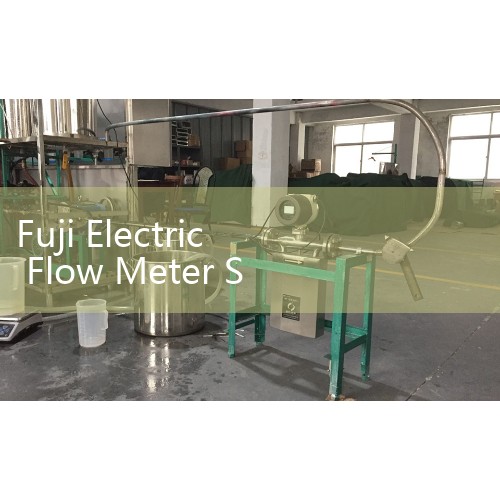
Fuji Electric Flow Meter Systems: High-Precision Industrial Volumetric Sizing and Control
Quick Answer: Fuji Electric flow meter systems deliver high precision volumetric measurement when matched to pipe size, conductivity, and control output. They suit water, wastewater, chemical, food, and oil and gas plants. Send us your flow range, pipe size DN, pressure in bar, and temperature in °C for a specific quote.
Where Fuji Electric Flow Meter Systems Fit
Most engineers look at Fuji Electric flow meters for electromagnetic, ultrasonic, and vortex technologies. A typical DN50 magmeter on a chemical line may handle 0.5 to 10 m/s velocity. The output goes to a PLC through 4-20 mA HART or pulse. A 4-20 mA HART signal to a PLC is the standard control loop in water, wastewater, and food plants.
In practice, the meter selection does not stop at the flow rate. Conductivity, liner material, electrode type, and grounding all affect reading stability. A plant in Vietnam found this on a 120 m3/h syrup line. The process fluid had 18 cP viscosity and low conductivity. The original meter lost signal below 40 percent flow. Silver Instruments supplied a meter with a different liner and grounding ring. The new liner solved the signal loss.
What Volumetric Sizing Requires
Pipe size is not a suggestion in industrial flow metering. You cannot put a DN100 meter on a DN50 line and expect 0.5 percent accuracy. Sizing starts with DN, then velocity, then pressure loss.
For water lines, DN15 to DN100 meters usually cover 0.3 to 10 m/s. For gas, the range shifts. A DN80 vortex meter on compressed air may measure 20 to 400 m3/h. For steam, a pressure and temperature sensor such as PT100 helps the flow computer compensate density.
Give us the real flow range. Minimum flow matters more than maximum flow. Most engineers skip the minimum flow part. We have seen meters sized at 80 percent of maximum but reading zero at night because the plant ran at 8 percent of maximum flow.
Control Signals and Accuracy Figures
A high precision flow meter is only useful if the control system can read it. Common outputs are 4-20 mA HART, pulse, and Modbus RTU. Some plants in the Middle East also ask for ATEX Zone 1 certification on oil and gas separators. Fuji Electric flow meter systems support these options on many models.
Accuracy is not a single number. A magnetic flow meter may be rated at 0.2 percent of rate on clean water but 0.5 percent on slurry. Temperature changes affect volumetric size. A PT100 sensor built into the transmitter helps correct this. In chemical dosing, repeatability often matters more than absolute accuracy.
Here is the thing. A meter with 0.2 percent accuracy and the wrong liner will fail faster than a 0.5 percent meter with the right liner. We always ask for the full fluid composition before quoting.
Industry Examples From Customer Sites
A desalination plant in Oman needed a seawater flow meter for a brine line. Conductivity was high enough for a magmeter. The challenge was the liner. Hard rubber was selected for pressure and temperature limits. The meter was DN150 with 4-20 mA HART output to the pla
_600x400.jpg)
A paint manufacturer in Southeast Asia asked about oval gear flow meters for resin and solvent batching. Those fluids are not conductive. A magnetic meter was not suitable. We supplied an oval gear flow meter with pulse output for the batch controller.
A wastewater station in Chile used a DN200 electromagnetic flow meter on raw sewage. The electrodes were cleaned once per quarter. The reading stayed within 0.4 percent of the calibration check.
Fuji Electric Meter Selection vs Silver Instruments Options
Silver Automation Instruments supplies Fuji Electric flow meter systems and also builds compatible solutions using our own Coriolis, electromagnetic, ultrasonic, vortex, oval gear, and thermal mass flow meters. If a project specifies Fuji Electric, we quote that brand. If the application needs a different price point or shorter delivery, we can offer a Silver Instruments equivalent with matched accuracy and output.
We do not sell a generic meter for every fluid. The correct sizing depends on conductivity, viscosity, pressure, temperature, pipe material, and hazardous area classification. For conductive liquids above 5 µS/cm, a magmeter is often the first choice. For non-conductive fuels or solvents, choose oval gear or Coriolis. For gas and steam, vortex with PT100 density correction is common.
How to Request a Quote
Send us your pressure in bar, temperature in °C, pipe size DN, and flow range. Add the fluid name, conductivity, viscosity, and hazardous area requirement if known. A typical response from our team includes the recommended meter type, accuracy, liner or electrode option, output signal, and delivery time.
You can reach Silver Automation Instruments at Tel +86-25-68650347 or WhatsApp +86-25-52155837. WeChat is +86 15365082610. The website flow-meter.com.au also shows technical data for electromagnetic, Coriolis, ultrasonic, vortex, oval gear, and thermal mass meters.
Frequently Asked Questions
Q: What is the minimum conductivity for a Fuji Electric electromagnetic flow meter?
Most magmeters need at least 5 µS/cm. Some models can work down to 0.1 µS/cm with special electrodes. Check the actual process fluid before ordering.
Q: Can a Fuji Electric flow meter measure diesel or solvent?
Electromagnetic meters cannot measure non-conductive diesel. Use oval gear or Coriolis mass flow meters for those applications. Silver Instruments supplies both.
Q: What pipe sizes do Fuji Electric flow meter systems cover?
Common sizes range from DN15 to DN300 for electromagnetic meters. Vortex and Coriolis meters cover smaller and larger lines depending on flow range.
Q: Which output signal is best for PLC control?
4-20 mA HART is the most common for process control because it carries flow rate and diagnostics. Pulse works well for batching. Modbus RTU is useful for digital networks.
Q: How do I get a price estimate quickly?
Send us your pressure in bar, temperature in °C, pipe size DN, and minimum and maximum flow rate. Those four data points are enough for a budget quote within 24 hours.
 Hot Product
 Related AD