

『Hydraulic Oil Flow Meter 1 Inch Mobile Equipment Installation Guides』Related information(clamp on meter|electromagnetic meter|venturi meterrotameter|orifice meter|ultrasonic flow meter|mass flow meter|coriolis mass flow meter|coriolis flow meter|magnetic flow meter|magmeter flow meter|magflow flow meter|mag meter flow meter|electromagnetic flow meter|vortex flow meter|turbine flow meter|thermal mass flow meter|thermal flow meter|rotameter flow meter)
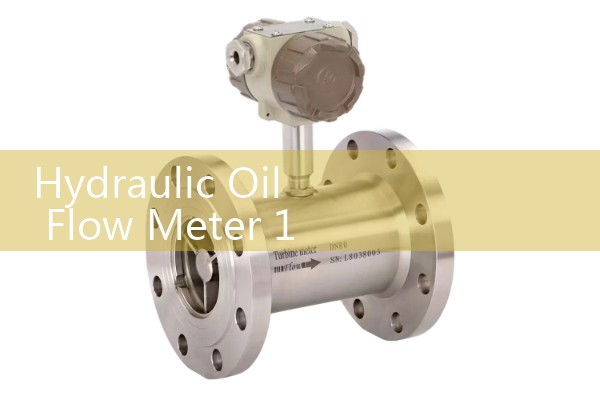
1 Inch Hydraulic Oil Flow Meter Installation for Mobile Equipment
Quick Answer: For a 1 inch hydraulic oil line on a mobile machine, install an oval gear flow meter directly in the return line or pressure line after the pump. Mount the meter with the rotor shafts horizontal to avoid bearing wear. Send us your oil viscosity at working temperature, pressure range, and pipe size DN25 to get the correct meter model and K-factor.
Silver Instruments supplies positive displacement flow meters that handle hydraulic oil viscosity from 10 to 1000 cP. A 1 inch aluminum or stainless steel oval gear meter fits most excavators, drill rigs, cranes, and forestry machines. The meter body has DN25 flanges or threaded connections to match the hydraulic hose fittings you already have on board.
We have seen this many times on customer sites. A maintenance team buys a turbine meter for hydraulic oil because it is cheap. Then they install it right before a sharp elbow. The result is erratic readings and burned-out bearings within two weeks. Turbine meters hate pulsating flow and high-viscosity oil. An oval gear meter does not care about those conditions. It measures volume directly. The gears sweep every drop and the sensor counts pulses proportional to flow.
Where to Mount the Meter on a Mobile Machine
Place the meter in a location with straight pipe lengths of at least 5 pipe diameters upstream and 3 pipe diameters downstream. Do not put it directly after a bend, a valve, or a pump outlet. A hydraulic system on a wheeled excavator we serviced in Malaysia had a flow meter bolted right after a 90-degree hose fitting. The swirl destroyed the gear meshing in two months.
The best spot is the return line before the filter. Oil temperature is lower there, and flow is more stable. If you must install in the pressure line, make sure the meter body pressure rating matches the system pressure. Our standard aluminum oval gear meters handle 200 bar continuous. For higher pressures up to 400 bar, we supply stainless steel bodies.
On a mobile fuel truck or lube skid, mount the meter on the filling nozzle side. A 1 inch oval gear meter with a mechanical register works without power. Add a pulse pickup module if you want a remote display or a 4-20 mA signal to a PLC.
Preventing Wear and Air Bubbles
Hydraulic oil carries small metal particles. Install a 74 micron mesh strainer upstream of the meter. Two of our distributors in South Africa service mining loaders. They fit a Y-strainer before the meter and clean it once a month. Oval gear meters have tight clearances between the rotors and chamber walls. A piece of swarf can jam the gears.
Air bubbles ruin accuracy. In a typical mobile hydraulic tank, return oil splashes and entrains air. Let the oil settle. Use a de-aeration tray in the tank or mount the meter where the line runs full, never on a gravity drain line. If you see readings 20 percent higher than expected on the totalizer, air is the culprit.
Electrical Connection and Signal Output
Our 1 inch oval gear meter comes with a reed switch, a Hall effect sensor, or a NAMUR sensor for ATEX Zone 1 areas. The reed switch needs a pull-up resistor. The Hall effect sensor gives a clean square wave, good for long cable runs up to 100 meters on large mining shovels. For a simple totalizer on a service truck dashboard, we supply a battery-powered display that is IP67 rated. No need for wiring.
When the meter has a 4-20 mA output,
Calibration and K-Factor on Site
Every Silver Instruments oval gear meter leaves the factory with a calibration certificate for hydraulic oil at 50 °C. The K-factor is printed on the tag, in pulses per liter or pulses per gallon. Do not lose that tag. If you change oil type or temperature, the K-factor shifts slightly because viscosity changes the leakage slip. A thinner oil at high temperature gives slightly fewer pulses per liter.
To verify on site, fill a calibrated 20-liter container and compare the totalizer reading. Adjust the K-factor in the flow computer. Most engineers skip this part, but on a hydraulic cylinder test bench, a 1 percent error means a wrong pass/fail decision.
Model Recommendation for 1 Inch Hydraulic Oil Lines
We suggest the SIOG-DN25 oval gear flow meter with aluminum body, FKM seals, and Hall effect sensor. The flow range covers 2 to 40 liters per minute. That covers the typical return flow of a medium-sized excavator. If you need bidirectional measurement for a winch system, pick the model with a double sensor head. If the oil contains water glycol or phosphate ester, order with EPDM seals instead of FKM.
A paint manufacturer in Southeast Asia used our 1 inch stainless steel oval gear meter to dose hydraulic oil into mixing vessels. They chose stainless because they clean the line with hot water and detergent. Aluminum would corrode over time.
Frequently Asked Questions
Can I install the meter vertically?
Yes, install it with the flow direction upward. The rotor shafts must be horizontal. A vertical pipe with flow going downward leaves the gears partially filled, which hurts accuracy and accelerates wear.
What is the maximum pressure for the 1 inch aluminum oval gear meter?
200 bar at 80 °C for the standard version. High-pressure stainless steel versions reach 400 bar. Send us your maximum system pressure before ordering.
Do we need a straight pipe before and after the meter?
Yes, at least 5 diameters upstream and 3 diameters downstream. For 1 inch DN25 pipe, that means 125 mm straight before and 75 mm after. This rule applies to all positive displacement meters on hydraulic oil.
Can the meter handle cold starts with thick oil?
When oil is cold, viscosity can exceed 5000 cP. The meter will measure accurately but the pressure drop will be higher. Start the pump in bypass mode for a few minutes to warm the oil. The meter withstands occasional cold starts without damage.
What output signals can we get for a mobile machine PLC?
Reed switch pulse, Hall effect pulse (open collector, push-pull), NAMUR for safety areas, or 4-20 mA analog. The analog output needs an external loop power supply. For battery-operated totalizers, use pulse output with a battery display.
Need a specific model for your excavator or lube truck?
Send us your pressure (bar), temperature (°C), pipe size (DN), flow range (L/min), and oil viscosity to [email protected]. Our team in Australia will reply with a datasheet, price, and a connection drawing within 24 hours. See more details on our website at flow-meter.com.au for oval gear meters and other positive displacement solutions.
 Hot Blog
 Related AD