

 Current position > News detail
『Biogas flowmeter manufacturer』Related information(clamp on meter|electromagnetic meter|venturi meterrotameter|orifice meter|ultrasonic flow meter|mass flow meter|coriolis mass flow meter|coriolis flow meter|magnetic flow meter|magmeter flow meter|magflow flow meter|mag meter flow meter|electromagnetic flow meter|vortex flow meter|turbine flow meter|thermal mass flow meter|thermal flow meter|rotameter flow meter)

1. What is a biogas flowmeter?
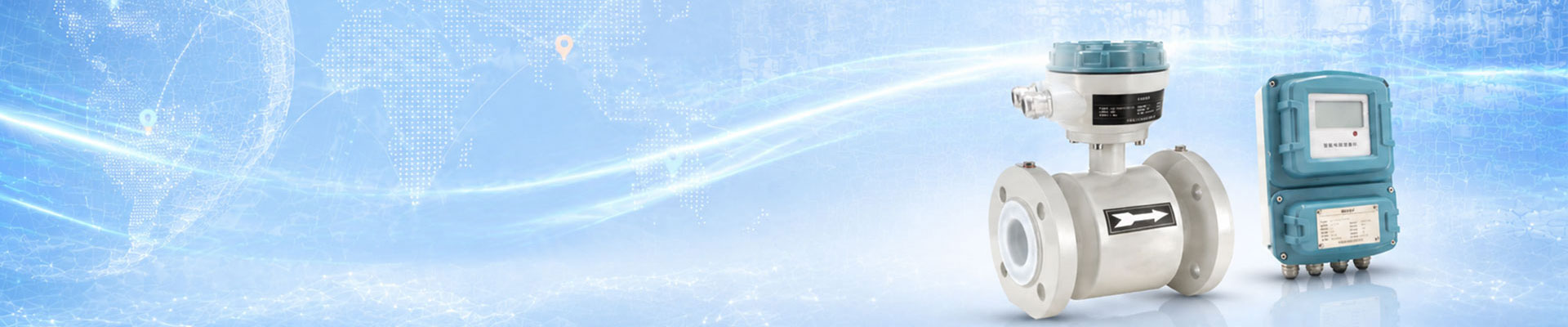
The biogas flow meter adopts the conventional differential pressure target type biogas flow meter principle, ensuring the durability, practicality, and long service life of the biogas flow meter. At the same time, it has the advantages of high measurement accuracy and good stability.. The biogas flowmeter system is suitable for measuring various biogas flow rates. The entire system consists of a flow sensor (target sensor), an intelligent LCD host, temperature and pressure compensation components, and instrument valve components. Biogas flow meters can also be used for measuring various pure pollutants and corrosive media. Parameter caliber: DN15~DN3000mm nominal pressure: 0.6~42MPa operating temperature: -200 ℃~-30 ℃ accuracy: ± 0.2~± 1.5% FS range ratio: 1:8 shell: carbon steel; Stainless steel (or negotiated according to user requirements) power supply method: built-in 3.6VDC lithium battery (changed every two years, without signal output); External supply 24VDC, (with signal output) output signal: 4-20mA two-wire system; Pulse 0~1000HZ; RS232/RS485 (or as agreed upon by the user), protection level: IP65; IP67 explosion-proof mark: intrinsic safety type ExiallCT4; Explosion proof ExdllCT4 execution standard: Q/BET05-06 header display: cumulative flow rate; Instantaneous flow rate; Operating temperature; Operating pressure (only available for temperature and pressure compensation with large brightness); Rod shaped full-scale percentage; Fault self checking connection method: clamp type DN10~DN300, plug-in type DN100~DN3000, flange pipeline type DN10~DN300, flange standard: GB/T series; Chemical (HG) series; Mechanical (JB/T) series; We can also negotiate and produce produ
_600x400.jpg)
6 and Exia Ⅱ CT6, and a protection level of IP65.
2. Introduction to Biogas Engineering
Biogas engineering is a systematic project that uses organic waste as raw material, produces biogas through anaerobic fermentation technology, and realizes its purification, storage, transportation, metering, and comprehensive utilization.
. Its core goal is to convert waste into clean energy while reducing environmental pollution and promoting resource recycling. The following is an introduction from four aspects: system composition, operation mode, technical requirements, and management points:1. System composition. Biogas engineering is a complete energy conversion and utilization system, including the following key links: production link: using animal manure, agricultural waste, domestic sewage or industrial organic wastewater as raw materials, producing biogas through anaerobic fermentation devices (such as biogas digesters). The fermentation process requires controlling parameters such as temperature, pH, and carbon nitrogen ratio to ensure microbial activity. Purification process: The raw biogas contains impurities such as hydrogen sulfide an