

 Current position > News detail
『Transformer Oil Flow Meter DN100: Managing Main Cooling Line Circulation』Related information(clamp on meter|electromagnetic meter|venturi meterrotameter|orifice meter|ultrasonic flow meter|mass flow meter|coriolis mass flow meter|coriolis flow meter|magnetic flow meter|magmeter flow meter|magflow flow meter|mag meter flow meter|electromagnetic flow meter|vortex flow meter|turbine flow meter|thermal mass flow meter|thermal flow meter|rotameter flow meter)
 ```html
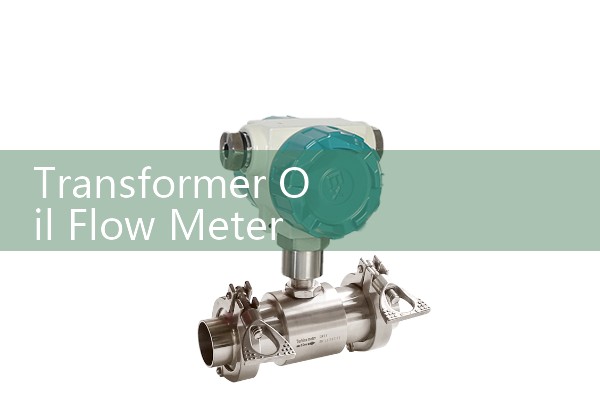
Transformer Oil Flow Meter DN100: Managing Main Cooling Line Circulation
Quick Answer
For the main cooling loop of an oil-cooled power transformer, a DN100 (4-inch) flow meter is the standard pipeline size. It balances high flow demands with moderate pressure drop. Because transformer oil has a high viscosity and is non-conductive, mechanical flow meters like oval gear or helical rotor types work best in this application. Silver Instruments supplies direct-reading DN100 oval gear flow meters that do not drift with temperature changes, giving you reliable cooling loop data 24/7.
The Critical Role of DN100 in Main Cooling Loops
Large power transformers, typically those rated above 60 MVA, rely on forced oil circulation to dissipate heat. The main cooling line is usually designed as DN100 Schedule 40 steel pipe. The internal diameter is close to 102.3 mm. We often see flow rates between 80 m³/h and 120 m³/h in these loops. If you use a smaller pipe size like DN80, the oil velocity becomes too high. This causes turbulent flow which does not actually transfer heat as efficiently as the expected design. A DN100 meter keeps the fluid velocity in a sweet spot, around 2 to 3 meters per second. This ensures the cooling fins on the radiator bank get uniform heat distribution. In practice, matching the flow meter size directly to the pipe size reduces installation complexity and eliminates the need for pipe reducers that create leak points.
Handling Oil Viscosity Without Measurement Drift
Here is the thing about transformer oil. Its kinematic viscosity ranges from 10 cSt to 30 cSt at 40 degrees C. In colder climates, or during a cold start, the viscosity can spike significantly. Turbine flow meters struggle here because their calibration curves shift dramatically with viscosity changes. A turbine meter might read 15 percent too high or too low depending on the oil temperature. Oval gear flow meters solve this problem mechanically. They trap precise volumes of oil between the gears and the chamber wall. The rotation speed directly maps to volumetric flow. There is zero magnetic interference from the transformer core because the gears are driven purely by the oil pressure. We recommend the Silver Instruments LC Series for DN100 transformer oil applications. The meter body uses cast iron, which matches the pipe material, and it handles temperatures up to 120 degrees C without any issue.
Installation Details Most Engineers Skip
Common advice for flow meters often focuses on straight pipe runs. For oval gear meters on a DN100 line, the straight run requirement is much shorter than for a vortex or ultrasonic meter. You only need 5 diameters of straight pipe upstream and 3 diameters downstream. But there is a bigger issue. We have seen this on customer sites many times in Southeast Asia and the Middle East. Debris in the oil will destroy the gears. During transformer maintenance, small metal shavings or cellulose particles from the windings break loose. If these particles enter the metering chamber, the oval gears can seize. A Y-type strainer installed directly before the flow meter is not optional. It is mandatory. Also, make sure the meter is mounted with the shaft in a horizontal plane. This guarantees the gears fill completely even if there are small air bubbles in the oil after a system refill.
Technical Specifications for Silver Instruments DN100 Oval Gear Meter
For a standard transformer oil main circulation loo
| Parameter | Specification |
| Nominal Pipe Size | DN100 (4 inch) |
| Connection Type | ANSI 150 RF Flange (Standard) or DIN PN16 |
| Flow Range | 15 m³/h to 120 m³/h |
| Fluid Medium | Transformer Mineral Oil / Silicone Oil |
| Operating Temperature | -10 deg C to 120 deg C |
| Viscosity Range | 2 cP to 2000 cP |
| Accuracy | +/- 0.5% of reading |
| Output Signal | 4-20 mA HART, Pulse, or Modbus RTU |
| Hazardous Area Rating | Ex d IIC T6 Gb (ATEX Zone 1 and Zone 2) |
Frequently Asked Questions
Can I use an electromagnetic flow meter for transformer oil?
No. Transformer oil is a dielectric fluid. It does not conduct electricity. Magnetic flow meters require a minimum conductivity of 5 µS/cm to function. Since mineral oil has almost zero conductivity, the meter electrodes will detect an empty pipe signal and return a zero reading. You must use a mechanical displacement meter or a specific Doppler ultrasonic meter.
Does a DN100 flow meter need a flow straightener?
Not if you use an oval gear meter. Rotational displacement meters are not sensitive to velocity profile distortions. You do not need a flow straightener. This saves you about 300mm to 500mm of pipeline space compared to a turbine meter installation.
Which output signal works best for transformer monitoring PLCs?
A 4-20 mA HART signal is the industry standard. It gives you the analog flow rate directly to the SCADA system. The HART overlaid digital signal lets you check the meter status, totalizer values, and error flags without climbing onto the transformer. We also offer direct Modbus RTU if your transformer control panel uses a serial bus.
What is the price of a DN100 transformer oil flow meter?
The cost depends on the material and hazardous area certification. A standard cast iron SIL-OG-100 with a local totalizer display starts around 1,200 AUD. If you need full ATEX Zone 1 certification with a 4-20 mA HART output, the price is closer to 2,500 AUD. We can configure the meter to match your exact flow range before shipping.
How do you prevent gear damage during system startup?
The pipes are often empty after maintenance. Do not blast the oil pump at 100 percent capacity immediately. Crack the bypass valve or start the pump slowly. This lets the oil fill the meter chamber gradually. A sudden oil slug hitting air-filled gears will shear the oval gear teeth. We stamp a clear flow direction arrow on the meter body to prevent reverse flow damage as well.
Send Us Your Cooling Loop Parameters
We keep a stock of standard DN100 oval gear meters for transformer applications for fast export to Australia, Southeast Asia, and the Middle East. If you are retrofitting an old transformer or building a new skid, send us your pipe size (DN100), flow range (m³/h), oil temperature (deg C), and required pressure rating (PN16 or ANSI 150). We will reply with a detailed datasheet and a formal quotation within one working day. Just go to our contact page on flow-meter.com.au.
```